

Nakahara Chūya Poems: A Guide to Finding and Accessing PDFs
Finding Nakahara Chūya’s poems in PDF format requires navigating digital libraries and web services;
extensions can monitor availability, though costs for domains and access may apply.
Nakahara Chūya (1907-1937) remains a pivotal figure in modern Japanese poetry, celebrated for a style deeply influenced by both Symbolism and Dada. His lyrics are renowned for their uniquely songlike eloquence, blending personal imagery with a poignant, often melancholic charm. This distinctive voice emerged during a period of significant social and political upheaval in Japan, and his work frequently reflects themes of alienation, despair, and the search for meaning in a rapidly changing world.
A relatively short but intensely productive career yielded a body of work that continues to resonate with readers today. Collections like “Yagi no uta” (Goat’s Song) and his later poems showcase a remarkable evolution in his poetic technique and thematic concerns. Accessing his poems, particularly in PDF format, allows for focused study and appreciation of his artistry. Recent scholarship continually provides fuller accounts of this extraordinary figure, making digital access increasingly valuable.
The Significance of Nakahara Chūya’s Poetry
Nakahara Chūya’s poetry holds immense significance within Japanese literature, bridging the gap between modernist experimentation and deeply personal expression. His work transcends mere aesthetic appeal, offering a profound exploration of the human condition, particularly the anxieties and disillusionment prevalent in the interwar period. The poignant charm and personal imagery within his lyrics resonate with universal themes of loneliness, mortality, and the search for beauty amidst suffering.
The accessibility of his poems, even through digital formats like PDFs, ensures continued engagement with his artistry. Studying these works provides insight into a crucial moment in Japanese cultural history and the evolution of poetic form. The enduring appeal lies in Chūya’s ability to articulate complex emotions with remarkable clarity and lyrical grace, solidifying his place as a literary icon.
Understanding the Themes in Chūya’s Poems
Chūya’s poetic landscape is deeply influenced by Symbolism and Dada, yet uniquely his own. Recurring themes include a melancholic introspection, often grappling with existential angst and the fleeting nature of life. His poems frequently explore the tension between desire and despair, beauty and decay, and the individual’s struggle against societal constraints. A sense of alienation and loneliness permeates much of his work, reflecting the turbulent times in which he lived.
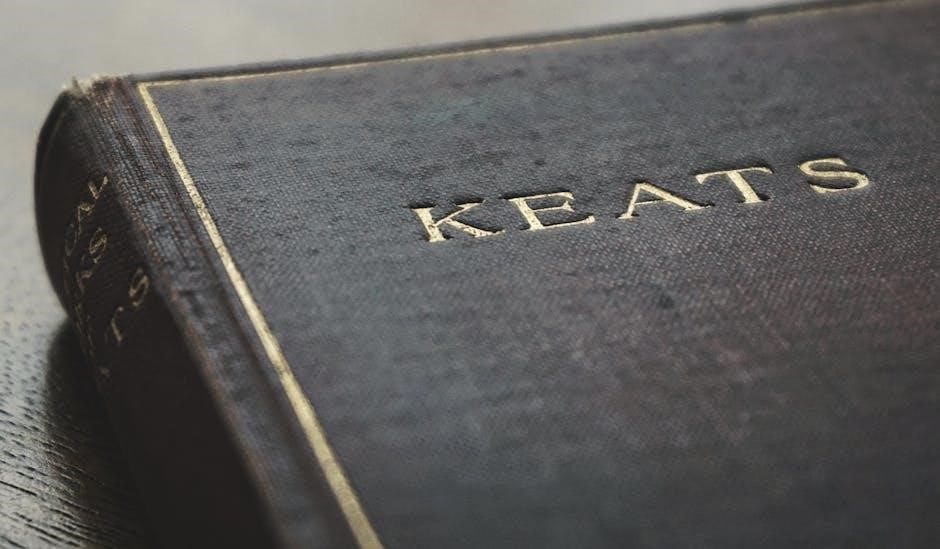
Accessing his poetry through PDFs allows for close textual analysis, revealing layers of meaning embedded within his songlike eloquence. Examining these themes provides a window into the psychological complexities of a sensitive artist confronting the uncertainties of the modern world. His personal imagery, though often enigmatic, consistently evokes a powerful emotional response, making his poetry both intellectually stimulating and profoundly moving.

Locating PDF Versions of Nakahara Chūya’s Poems
Digital resources, including archives, web services like pdfFiller, and browser extensions, offer access to Chūya’s poems in PDF format for study.
Online Archives and Digital Libraries
Exploring online archives and digital libraries presents a viable path to discovering PDF versions of Nakahara Chūya’s poetic works. While a centralized, comprehensive digital collection dedicated solely to Chūya may not be readily available, several platforms offer potential access points. BSD-Bibliophile (sites.google.com/view/bsd-bi) is one resource to investigate, potentially hosting digitized collections.
Researchers should broaden their search to include general digital libraries specializing in Japanese literature or historical texts. These repositories often contain scanned copies of older publications, which may include Chūya’s poems. The quality of these scans can vary significantly, impacting readability and file size. Patience and diligent searching are key, as locating specific poems or complete collections can require considerable effort. Remember to check the terms of use for each archive regarding downloading and distributing PDF files.
Web-Based Services for Accessing Poetry
Numerous web-based services facilitate access to literary works, though direct PDF availability of Nakahara Chūya’s complete poems is often limited. Platforms like pdfFiller offer tools to potentially access and edit existing PDFs, including the possibility of uploading and working with Chūya’s poems if you already possess a digital copy (through other means).
However, these services generally don’t host the poems themselves. Instead, they provide functionality for managing PDF documents. Searching online bookstores and digital content providers may yield individual poems or anthologies available for purchase as PDFs. Be mindful of copyright restrictions and ensure legitimate sourcing. Exploring Japanese literary websites and online communities dedicated to Chūya’s work could also uncover links to downloadable PDFs or information regarding access to his poetry.
Browser Extensions for Monitoring Availability
Leveraging browser extensions presents a cost-effective method for tracking the emergence of Nakahara Chūya’s poems in PDF format online. These extensions operate utilizing your computer and internet connection, typically remaining free regardless of monitoring frequency. They continuously scan specified websites for new content, alerting you when PDFs potentially containing Chūya’s work become available.
However, it’s crucial to acknowledge inherent limitations. Extensions are browser-dependent, necessitating your computer’s active state for monitoring. They won’t function when your browser is closed. Furthermore, extensions can only detect PDFs on websites they are programmed to scan; they won’t discover content hidden behind paywalls or within databases not indexed by search engines. BSD-Bibliophile (sites.google.com/view/bsd-bi) might be a starting point for exploration.
Potential Costs Associated with Domain Names & Digital Access
While accessing Nakahara Chūya’s poems in PDF format may often be free, associated costs can arise depending on your approach. Securing a custom domain name – for personal archiving or sharing – typically ranges from $10 to $30 annually for a popular .com extension. Less common extensions like .site or .biz are cheaper, costing between $7 and $11 per year. Protecting your brand with multiple extensions adds to this expense.
Furthermore, some digital libraries or online services may require subscriptions or one-time fees for accessing specific collections or high-quality scans. Downloading PDFs through services like pdfFiller’s iOS app might involve associated costs depending on the service’s pricing model. Be mindful of these potential expenses when planning your search and access strategy.

Navigating PDF Availability and Formats

PDFs of Nakahara Chūya’s poems exist as individual works or complete collections, varying in file size and scan quality;
downloading via apps like pdfFiller is possible.
Availability of Complete Collections in PDF
Locating comprehensive PDF collections of Nakahara Chūya’s poetry presents a challenge, as a single, universally accessible digital archive remains elusive. While dedicated scholarly projects and digital libraries may hold portions of his complete works, a fully consolidated PDF is not readily available for free download.
Researchers and enthusiasts often rely on compiling individual poem PDFs sourced from various online platforms. However, the completeness of these assembled collections can vary significantly. The BSD-Bibliophile site (sites.google.com/view/bsd-bi) may offer resources, but its scope and current availability require verification.
Furthermore, the quality of PDF scans differs considerably, impacting readability and aesthetic appreciation of the poems. Some scans may be clear and high-resolution, while others suffer from distortions or incomplete pages. Accessing complete collections often necessitates utilizing paid digital services or purchasing physical copies for digitization.
Individual Poem PDFs vs. Complete Works
The digital landscape concerning Nakahara Chūya’s poetry largely favors individual poem PDFs over complete, readily available collections. While finding a single PDF encompassing all his works proves difficult, numerous websites host individual poems, often in scanned or transcribed formats. This fragmented availability necessitates a piecemeal approach to assembling a comprehensive digital library.
Tools like pdfFiller’s iOS app facilitate working with these individual PDFs, allowing for download, editing, and annotation. However, this method demands significant effort to curate and organize. The convenience of a single complete PDF is often outweighed by the reality of scattered resources.
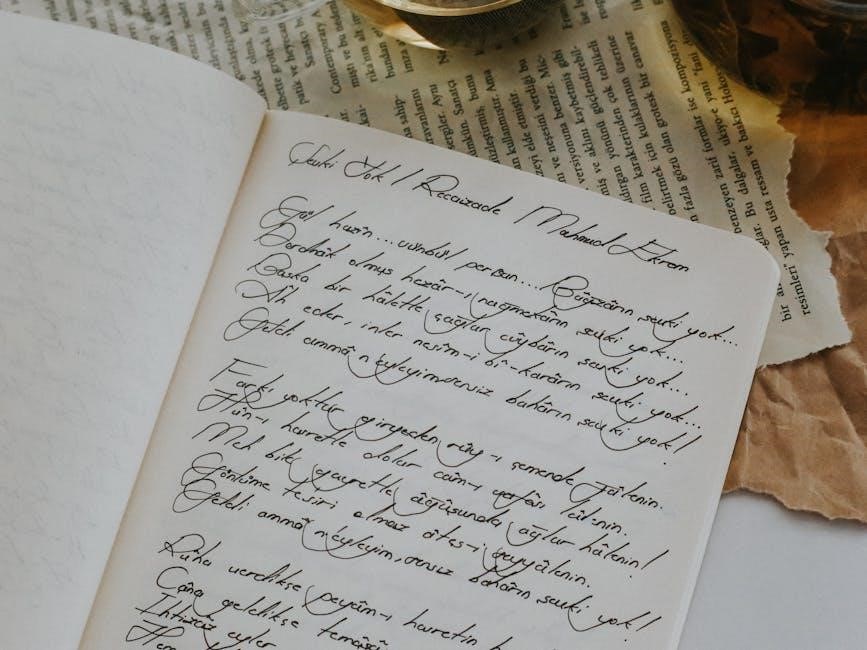
Consequently, researchers and poetry lovers frequently balance accessing individual poems with seeking out published collections for a more cohesive experience. The trade-off lies between immediate digital access to select pieces versus the completeness offered by physical or consolidated digital editions.
File Sizes and Quality of PDF Scans
PDF file sizes of Nakahara Chūya’s poems vary considerably, directly correlating with scan quality and the inclusion of accompanying materials like critical essays or annotations. Scanned PDFs from older publications often exhibit larger file sizes due to high-resolution images preserving the original page layout. Conversely, text-based PDFs created through Optical Character Recognition (OCR) tend to be smaller, prioritizing readability over visual fidelity.
The quality of scans significantly impacts the reading experience. Low-resolution scans can render Japanese characters illegible or distorted, hindering comprehension. Higher-quality scans, while larger in file size, offer clearer text and preserve the aesthetic qualities of the original publication.
Users should anticipate a range of quality levels when downloading PDFs, balancing file size considerations with the need for a clear and accurate representation of Chūya’s work.

Legal Considerations and Copyright
Understanding copyright status is crucial when accessing Nakahara Chūya’s poems in PDF form; public domain and fair use guidelines dictate ethical sourcing practices.
Copyright Status of Nakahara Chūya’s Works

Determining the copyright status of Nakahara Chūya’s poems is essential before downloading or distributing PDF versions. As a Japanese poet who passed away in 1937, many of his works have likely entered the public domain in most jurisdictions, including those adhering to the “life plus 70 years” rule. However, specific translations or collections may still be under copyright protection.
It’s important to verify the copyright status of the specific PDF you intend to use. Some digital archives may offer works with clearly stated public domain licenses, while others might have restrictions. Be cautious of PDFs sourced from unofficial websites, as their copyright status may be unclear or questionable. Always prioritize legally obtained and properly licensed materials to respect intellectual property rights;
Furthermore, consider that even public domain works can be subject to copyright if they have been significantly altered or annotated by a modern editor. Therefore, scrutinize the PDF’s preface and acknowledgments for any indications of new copyrightable material.
Public Domain and Fair Use
Given Nakahara Chūya’s passing in 1937, a significant portion of his poetic work resides within the public domain in many countries, allowing for free access and distribution of PDF versions. This means you can generally download, share, and even modify these poems without seeking permission, provided the specific PDF doesn’t contain copyrighted additions.
However, “fair use” principles apply even to public domain works. If you intend to use excerpts from a PDF for academic research, criticism, or educational purposes, proper attribution is crucial. Extensive copying or commercial exploitation, even of public domain material, may still infringe upon rights if it negatively impacts the original work’s potential market.
When encountering PDFs with modern translations or critical analyses, remember that these additions are likely protected by copyright. Fair use allows limited use of copyrighted material, but always assess whether your intended use qualifies under these guidelines. Prioritize ethical sourcing and respect intellectual property.
Ethical Sourcing of PDF Documents
When seeking PDF versions of Nakahara Chūya’s poems, prioritize ethical sourcing to support legitimate publishers and respect copyright. Avoid websites offering downloads that appear unauthorized or suspiciously free, as these may violate copyright laws or contain malware.
Opt for PDFs from reputable digital libraries, academic archives, or official publisher websites whenever possible. These sources are more likely to provide legally obtained and high-quality scans. Consider supporting projects dedicated to digitizing and preserving literary works through donations or purchases.
Be mindful of the origin of the PDF; if it’s a scan of a physical book, ensure the scanning was done legally. Downloading and distributing unauthorized copies undermines the author’s legacy and the publishing industry. Utilizing services like pdfFiller, while helpful for editing, doesn’t legitimize illegally obtained PDFs.

Utilizing PDF Readers and Tools
Employ recommended PDF reader software for optimal viewing and annotation of Chūya’s poems;
pdfFiller’s iOS app facilitates editing and accessing uploaded PDF documents easily.
Recommended PDF Reader Software
Selecting the right PDF reader significantly enhances your experience with Nakahara Chūya’s poetry. Adobe Acrobat Reader DC remains a popular, free choice, offering robust viewing and annotation capabilities. It’s widely compatible and supports various PDF features. Foxit Reader is another excellent option, known for its speed and lightweight design, making it ideal for older computers or those seeking a streamlined experience.
For more advanced features, consider PDFelement or Nitro PDF Pro, though these are typically paid options. These programs allow for extensive editing, form filling, and even PDF conversion. When accessing PDFs of Chūya’s poems, ensure the reader supports Japanese characters and complex layouts to maintain the integrity of the original formatting. Compatibility is key to appreciating the nuances of the poetry as intended by the author and translators.
Furthermore, consider cloud-based readers like Google PDF Viewer, accessible directly through your web browser, offering convenience and accessibility across devices. Ultimately, the best choice depends on your specific needs and the complexity of the PDF documents you’ll be working with.
PDF Editing and Annotation Tools
Engaging deeply with Nakahara Chūya’s poems often necessitates annotation and editing capabilities within your PDF reader. Tools like Adobe Acrobat Pro DC provide comprehensive features, allowing you to highlight key verses, add sticky notes with interpretations, and even draw directly onto the text. Foxit PDF Editor offers similar functionalities at a potentially lower cost.
For simpler needs, PDFescape provides a free, web-based editor with basic annotation tools. These tools are invaluable for literary analysis, allowing you to mark significant imagery, track recurring themes, and formulate personal responses to Chūya’s work. Utilizing these features enhances comprehension and facilitates a more interactive reading experience.
Moreover, consider tools that support text-to-speech functionality, aiding in pronunciation and appreciating the lyrical quality of the poems. Remember to save annotated copies separately to preserve the original PDF’s integrity. Careful annotation unlocks deeper layers of meaning within Chūya’s profound verses.